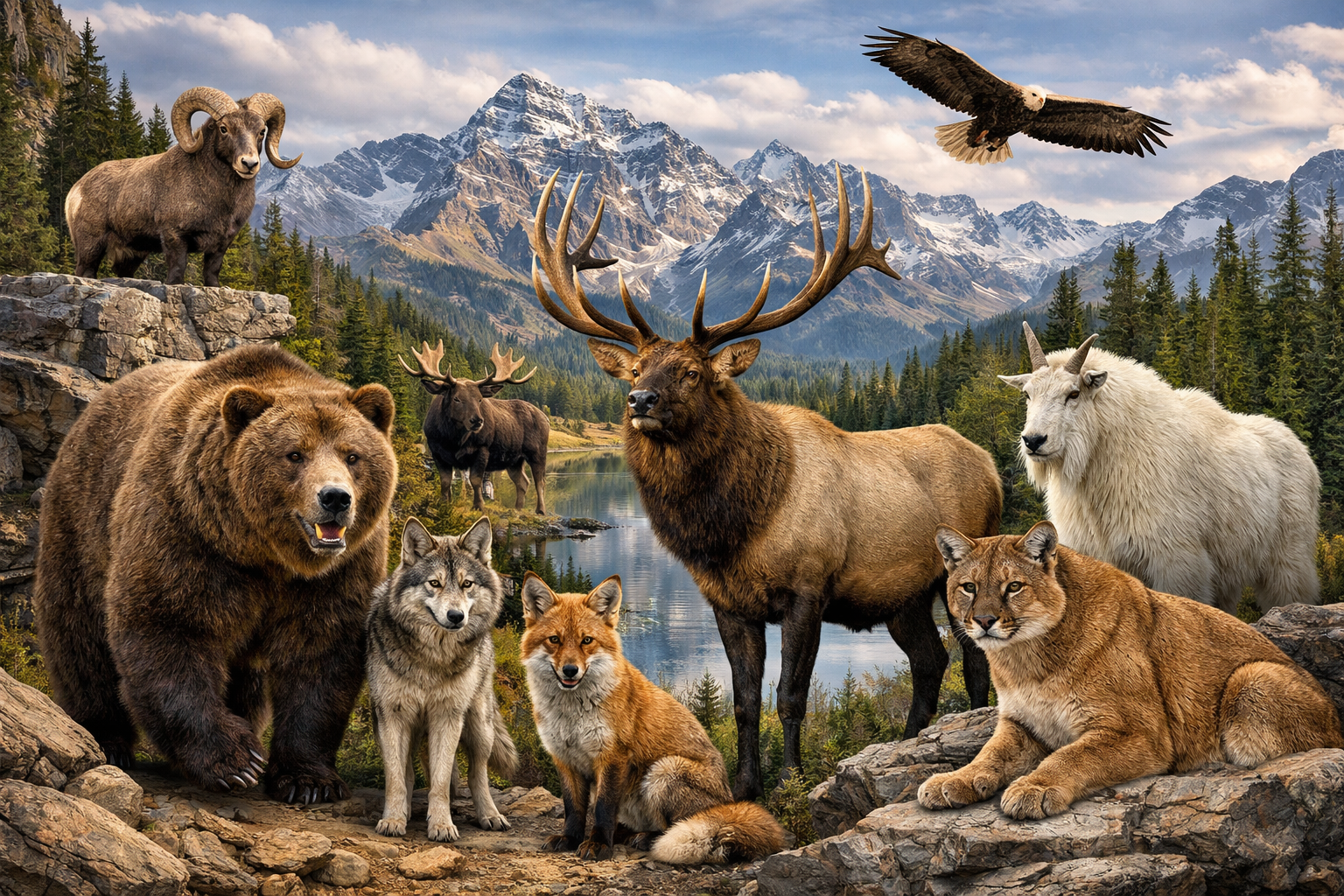
The Rocky Mountains stretching from New Mexico to Montana, are one of North America’s most breathtaking natural regions. With towering peaks, dense forests, alpine meadows, and icy streams, this rugged landscape is home to a rich variety of wildlife. Whether you’re a nature enthusiast, traveller, or wildlife photographer, understanding the animals that live here adds a whole new level to your experience.
Here’s a complete guide to the top 10 animals that call the Rocky Mountains home.
1. Grizzly Bear
The grizzly bear is one of the most iconic and powerful animals in the Rockies. Known for their massive size and distinctive shoulder hump, these bears are primarily found in northern regions like Montana and Wyoming.
- Habitat: Forests, alpine meadows
- Diet: Omnivorous (berries, fish, small mammals)
- Fun Fact: Grizzlies can run up to 35 mph despite their size
2. American Black Bear
Smaller than grizzlies but more widespread, black bears are commonly spotted across the Rockies. Despite their name, they can be black, brown, or even cinnamon-colored.
- Habitat: Wooded areas and mountains
- Diet: Fruits, insects, small animals
- Tip: Always store food safely when camping
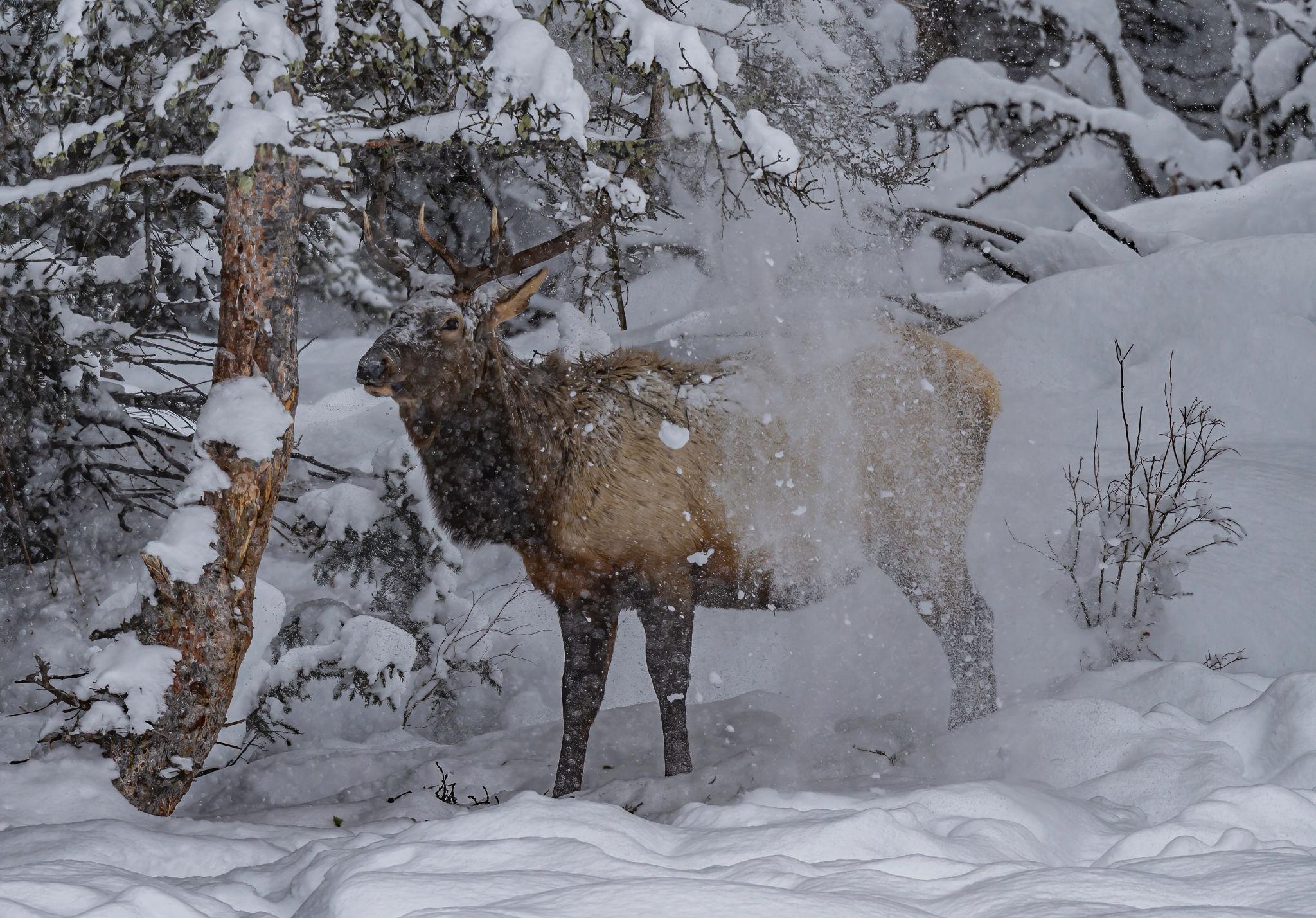
3. Elk
Elk are among the most majestic animals in the Rockies, especially during the fall mating season when males bugle loudly.
- Habitat: Forest edges and open meadows
- Diet: Grasses, shrubs
- Fun Fact: Male elk grow massive antlers every year
4. Moose
Moose are the largest members of the deer family and are often found near water sources.
- Habitat: Wetlands, lakes, and rivers
- Diet: Aquatic plants, twigs
- Note: Despite their calm appearance, they can be aggressive
5. Mountain Lion (Cougar)
This elusive predator is rarely seen but widely present throughout the Rockies.
- Habitat: Rocky terrain and forests
- Diet: Deer, elk, smaller mammals
- Fun Fact: Mountain lions can leap up to 40 feet in a single bound
6. Bighorn Sheep
Famous for their large, curved horns, bighorn sheep are well adapted to steep, rocky cliffs.
- Habitat: Mountain slopes and cliffs
- Diet: Grasses and shrubs
- Highlight: Males clash horns during mating season
7. Gray Wolf
Once nearly extinct in the region, gray wolves have made a strong comeback thanks to conservation efforts.
- Habitat: Forests and open plains
- Diet: Elk, deer, smaller animals
- Fun Fact: Wolves live and hunt in highly organized packs
8. Mountain Goat
These sure-footed climbers are often seen scaling near-vertical rock faces.
- Habitat: High elevations and cliffs
- Diet: Moss, grasses, lichens
- Special Feature: Thick white coat for harsh winters
9. Red Fox
A smaller but highly adaptable predator, the red fox thrives in various environments across the Rockies.
- Habitat: Forests, grasslands, mountains
- Diet: Rodents, birds, fruits
- Fun Fact: Known for their intelligence and agility
10. Golden Eagle
One of the top aerial predators in the Rockies, the golden eagle is a symbol of power and freedom.
- Habitat: Open mountains and cliffs
- Diet: Small mammals, birds
- Highlight: Wingspan can reach over 7 feet
Final Thoughts
The Rocky Mountains are more than just scenic beauty—they are a thriving ecosystem filled with incredible wildlife. From powerful predators like grizzly bears and wolves to agile climbers like mountain goats, each species plays a vital role in maintaining ecological balance.
If you plan to visit, always remember:
- Respect wildlife from a distance
- Follow park guidelines
- Leave no trace
Exploring the Rockies becomes far more meaningful when you understand and appreciate the animals that live there.