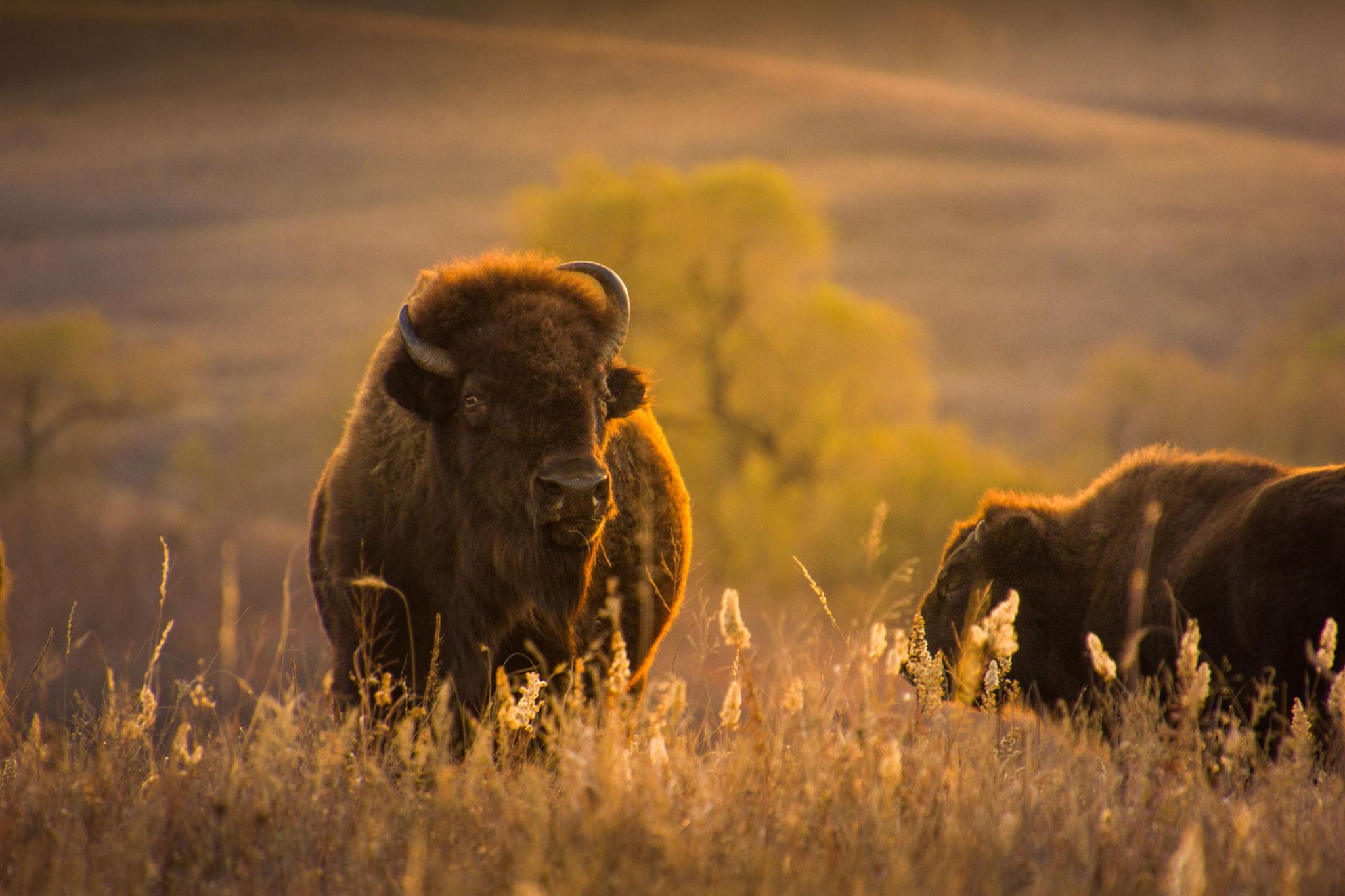
The American prairie, also known as the grasslands, is one of the most unique and expansive ecosystems in North America. Stretching across states like Kansas, Nebraska, South Dakota, and Texas, these vast open landscapes are home to a diverse range of wildlife specially adapted to life without dense forests or mountains.
Despite appearing simple at first glance, the prairie is a dynamic ecosystem filled with fascinating animals that thrive in wide-open spaces, extreme weather, and limited shelter. In this detailed guide, we explore the most common and iconic animals of the American grasslands.
1. American Bison
The American bison is the largest land animal in North America and a true symbol of the prairie.
- Habitat: Open grasslands and plains
- Diet: Grasses and sedges
- Behavior: Travel in herds for protection
Fun Fact: Bison can run up to 35 mph and are surprisingly agile despite their size.
2. Pronghorn Antelope
The pronghorn is the fastest land animal in North America.
- Habitat: Open plains and deserts
- Diet: Grasses, shrubs, and herbs
- Behavior: Extremely alert and fast
Highlight: They can reach speeds of up to 60 mph to escape predators.
3. Prairie Dog
Prairie dogs are small, social rodents known for their complex underground colonies.
- Habitat: Burrow systems in grasslands
- Diet: Grasses and roots
- Behavior: Live in large family groups
Fun Fact: Their towns can stretch for miles underground.
4. Coyote
Coyotes are highly adaptable predators found throughout the prairie.
- Habitat: Open grasslands and near human settlements
- Diet: Small mammals, birds, fruits
- Behavior: Opportunistic and intelligent
Tip: Often heard howling at night rather than seen.
5. American Badger
This powerful digger is well adapted for life on the prairie.
- Habitat: Grasslands with loose soil
- Diet: Rodents and small animals
- Behavior: Solitary and nocturnal
Highlight: Uses strong claws to dig prey out of burrows.
6. Burrowing Owl
Unlike most owls, this species lives underground.
- Habitat: Open plains, often in abandoned burrows
- Diet: Insects, rodents
- Behavior: Active during the day
Fun Fact: They bob their heads when alarmed.
7. Grasshopper
Though small, grasshoppers are a major part of prairie ecosystems.
- Habitat: Tall grasses and fields
- Diet: Plant material
- Role: Important food source for many animals
Note: Large populations can significantly impact vegetation.
8. Swift Fox
A small fox species native to the Great Plains.
- Habitat: Shortgrass prairies
- Diet: Insects, rodents, birds
- Behavior: Fast and elusive
Fun Fact: One of the smallest wild dogs in North America.
9. Western Meadowlark
A brightly colored songbird often seen perched on fence posts.
- Habitat: Open grasslands
- Diet: Insects and seeds
- Behavior: Known for its melodic song
Highlight: It is the state bird of several U.S. states.
10. Black-Footed Ferret
One of the rarest mammals in North America.
- Habitat: Prairie dog colonies
- Diet: Primarily prairie dogs
- Behavior: Nocturnal hunter
Conservation Note: Once thought extinct, now reintroduced through conservation efforts.
Prairie Survival Adaptations
Animals of the prairie share several key adaptations:
- Speed: Essential for escaping predators in open terrain
- Burrowing: Provides shelter from extreme weather
- Camouflage: Blends with grasses to avoid detection
- Social Behavior: Herds and colonies increase survival chances
Final Thoughts
The American prairie is far more than just open land—it is a thriving ecosystem filled with unique wildlife. From massive bison roaming freely to tiny prairie dogs building underground cities, each species plays a vital role in maintaining the balance of this environment.
As grasslands face threats from development and climate change, understanding and appreciating prairie wildlife becomes more important than ever.
Tips for Exploring Prairie Wildlife:
- Visit during sunrise or sunset for the best sightings
- Use binoculars for distant animals
- Stay quiet and respect natural habitats
- Avoid disturbing burrows or nests
With patience and curiosity, the grasslands reveal a world of life that is both beautiful and essential to nature.