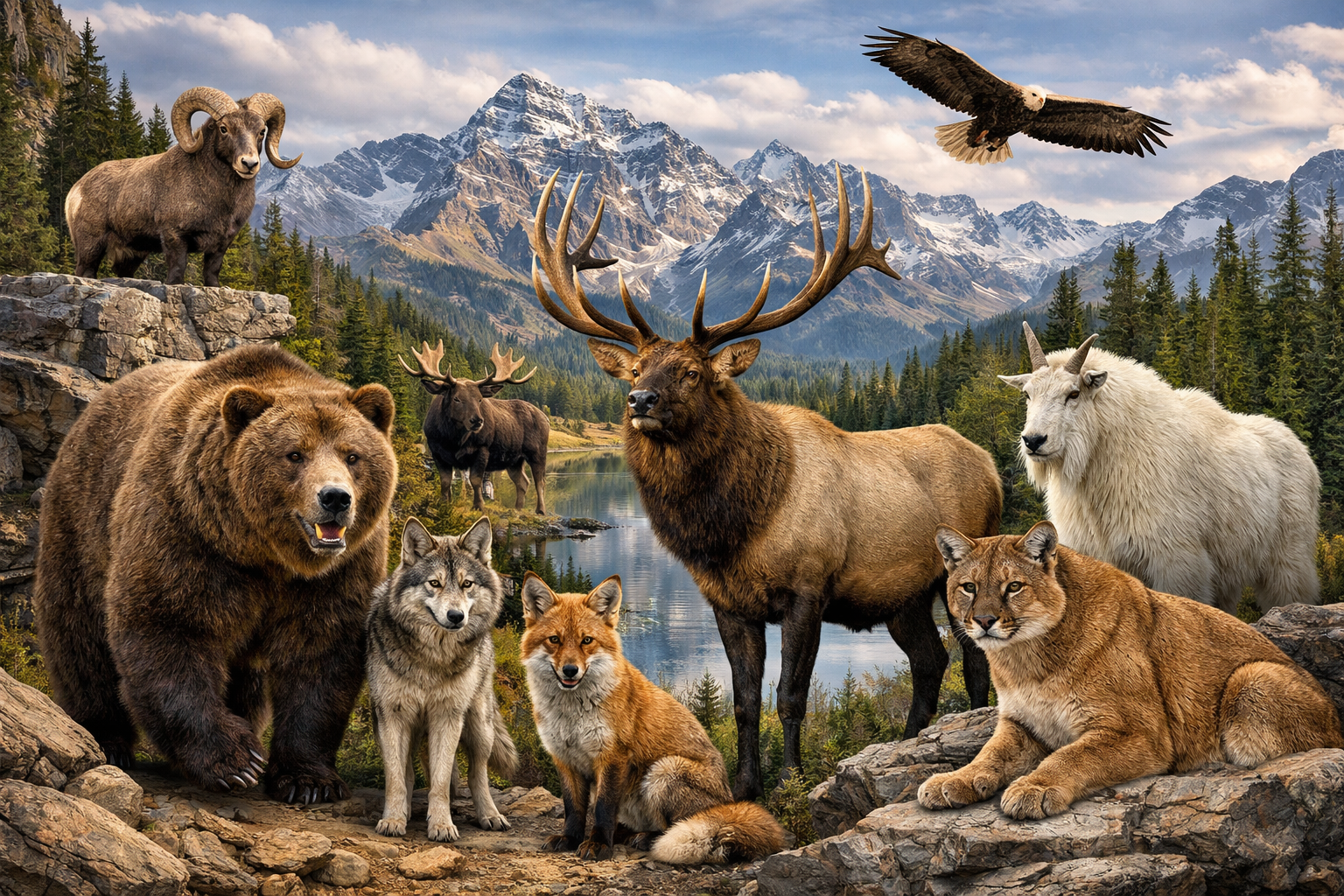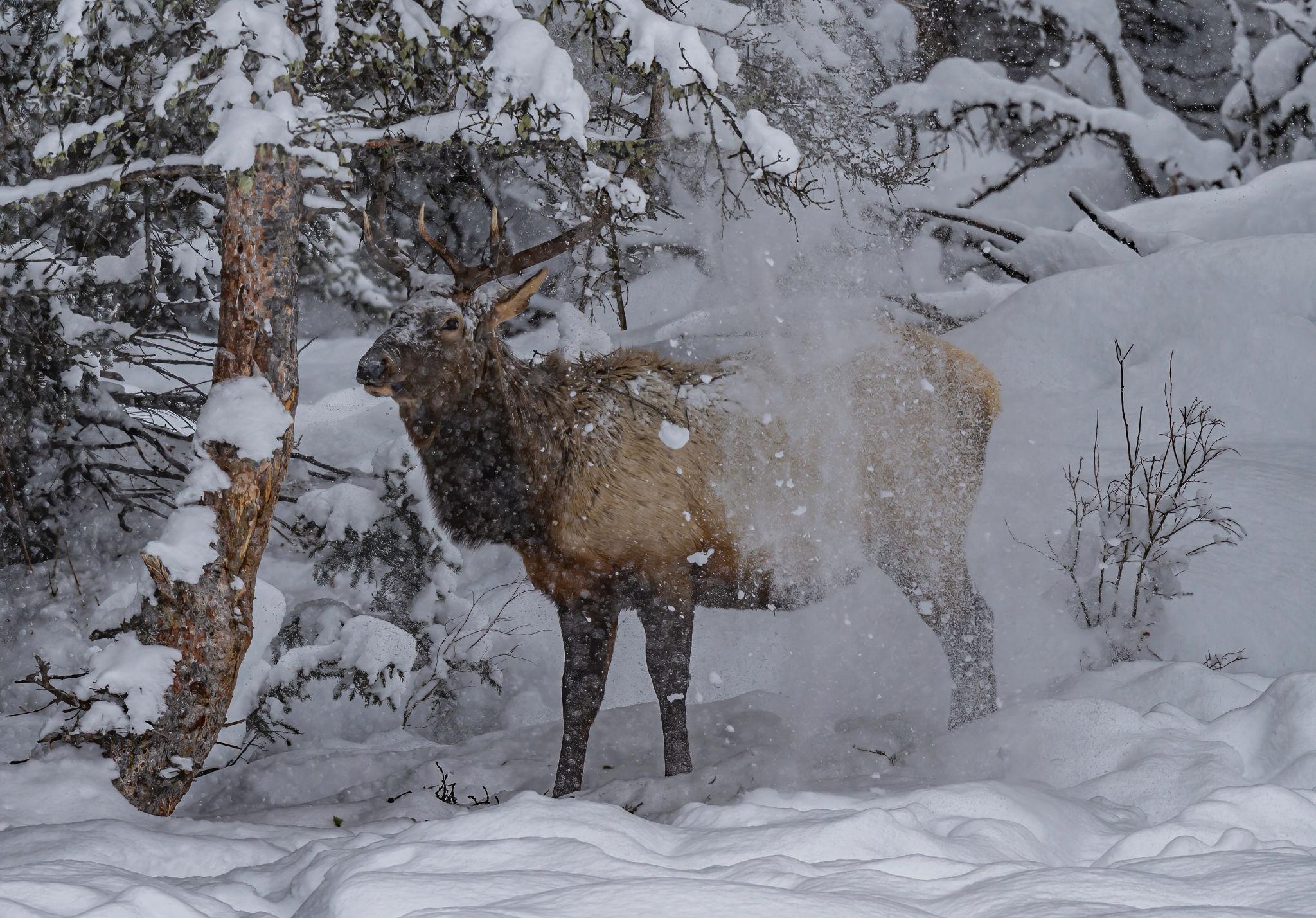
High in the mountains, where temperatures drop far below freezing and oxygen levels are significantly lower than at sea level, life seems almost impossible. Yet, a remarkable range of animals not only survive but thrive in these extreme environments. From thick insulating fur to specialised breathing systems, mountain animals have evolved incredible adaptations that allow them to endure harsh winters and thin air.
This detailed guide explores how mountain animals survive extreme cold and low oxygen conditions, making them some of the most resilient creatures on Earth.
1. Insulating Fur and Feathers
One of the most important survival tools for mountain animals is natural insulation.
Animals like bears, mountain goats, and foxes grow thick fur coats that trap body heat and protect them from freezing temperatures. Many species also develop two layers of fur:
- A dense undercoat for warmth
- A longer outer coat to repel snow and moisture
Birds such as eagles and ptarmigans rely on fluffed-up feathers that create air pockets, acting like insulation against the cold.
Example:
The mountain goat’s wool is so well-insulated that it can survive temperatures below -40°C.
2. Efficient Breathing in Thin Air
At high altitudes, oxygen levels are much lower. To cope with this, mountain animals have evolved enhanced respiratory and circulatory systems.
Key adaptations include:
- Larger lungs to take in more oxygen
- Increased red blood cell count for better oxygen transport
- Stronger hearts to circulate blood efficiently
Example:
Elk and bighorn sheep can move quickly at high elevations without getting exhausted because their bodies are optimized for low-oxygen environments.
3. Compact Body Shapes & Heat Retention
Many mountain animals have compact bodies, shorter ears, and smaller extremities. This reduces heat loss and helps them conserve energy.
- Less exposed surface area = less heat loss
- Thick fat layers provide additional insulation
Example:
Foxes in cold regions often have bushy tails, which they wrap around themselves like a blanket while sleeping.
4. Seasonal Changes (Adaptation & Camouflage)
Some animals undergo seasonal transformations to survive changing conditions.
- Fur changes color (brown in summer, white in winter)
- Coats become thicker in winter and lighter in summer
This not only helps with insulation but also provides camouflage from predators.
Example:
The snowshoe hare turns white in winter, blending perfectly into snowy landscapes.
5. Behavioral Adaptations
Physical features alone aren’t enough—behavior plays a huge role in survival.
Common behaviors include:
- Migration: Moving to lower elevations during extreme winter
- Hibernation: Bears conserve energy by sleeping through winter
- Sheltering: Using caves, dens, or tree cover to escape wind and snow
Example:
Mountain lions often seek sheltered rocky areas to stay protected from harsh weather.
6. Energy Conservation Strategies
In freezing environments, conserving energy is critical.
Animals adapt by:
- Slowing down metabolism
- Reducing movement during extreme cold
- Storing fat during warmer months
Example:
Bears build up fat reserves before winter and rely on them during hibernation.
7. High-Energy Diets
Mountain animals require calorie-rich diets to maintain body heat and energy.
- Carnivores hunt high-protein prey
- Herbivores graze constantly during warmer months to store fat
- Some animals cache food for winter
Example:
Wolves and mountain lions consume large prey like deer and elk to meet their energy needs.
Conclusion
Surviving in the mountains is no small feat. With freezing temperatures, powerful winds, and low oxygen levels, only the most adaptable animals can thrive. Through a combination of physical adaptations, behavioural strategies, and seasonal changes, mountain animals have mastered one of the harshest environments on Earth.
Understanding these survival techniques not only deepens our appreciation for wildlife but also highlights the importance of protecting these fragile ecosystems.